Tribally Owned Safari Circuits Acquires Grand Rapids Manufacturing Plant, Saving More Than 100 Existing Jobs

Tribally Owned Safari Circuits Acquires Grand Rapids Manufacturing Plant, Saving More Than 100 Existing Jobs

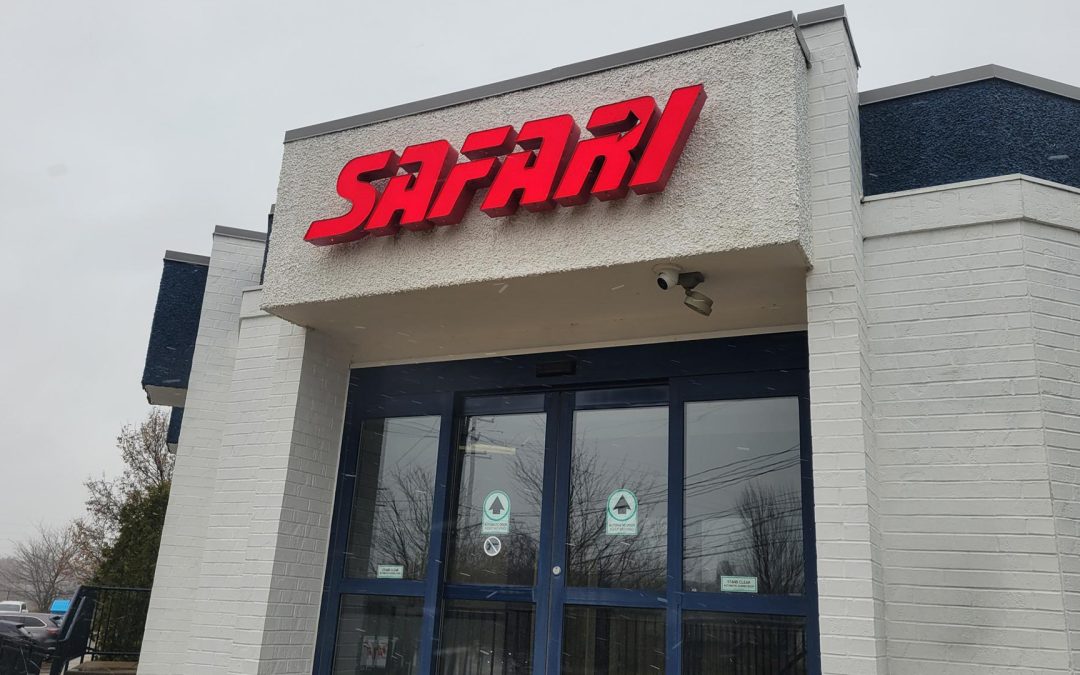
Safari Circuits, a subsidiary of Waséyabek, announced today it has acquired the former LaCroix Grand Rapids manufacturing plant. The acquisition reverses a decision by the previous owner to close the plant and lay off all salaried and hourly workers.
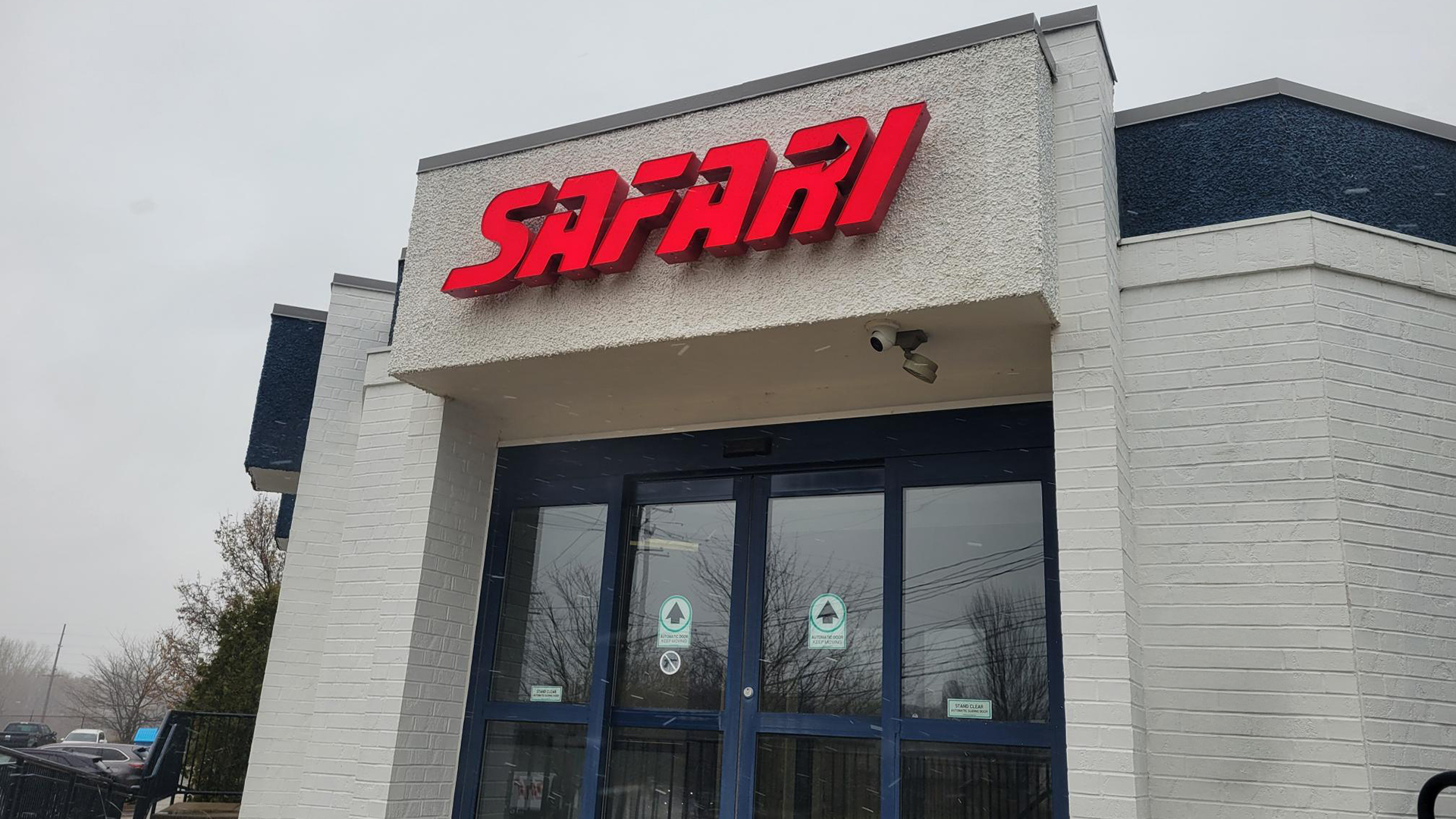
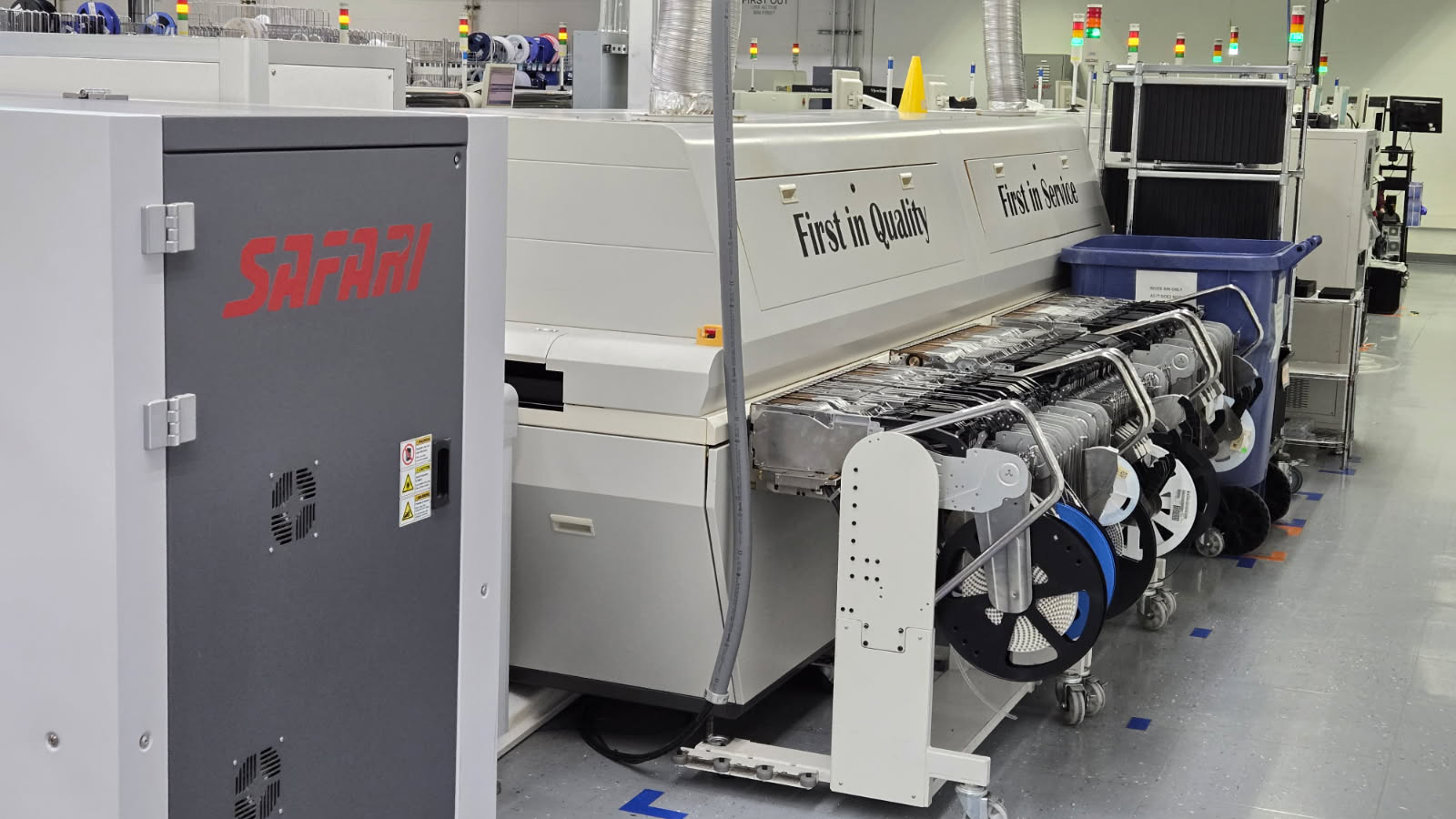
Safari is an advanced electronics manufacturer founded in Otsego in 1985. It specializes in the production of printed circuit board assemblies for various companies and industries. It was acquired in 2022 by Waséyabek, the non-gaming economic development company wholly owned by the Nottawaseppi Huron Band of the Potawatomi (NHBP) Tribe based in southwest Michigan.

The former LaCroix plant is located at 1655 Michigan St. NE. The staff designs and manufactures electronic equipment and industrial (IoT) solutions for clients in the automotive, industrial, construction, aerospace, defense, and healthcare industries.

Safari’s decision to acquire this financially distressed plant was driven by several factors, including the presence of a highly skilled manufacturing staff and an alignment in production work and core customers with Safari’s Otsego operation.

“We’re thrilled to acquire this production facility and provide a new and brighter future for the 116 people at the plant who were slated to lose their jobs. The similar production work performed at both plants made this a logical move that should lead to an increase in customer orders for both operations. We’re fortunate to have had the support of the Waséyabek leadership team in assessing and executing this transaction.”

Craig Nelson

President, Safari Circuits

The newly acquired facility will now be called Safari Grand Rapids. Since the completion of the sale in September, Safari management has worked with on-site leadership in Grand Rapids to assess the capabilities of the staff and explore new business development opportunities. In just two months, the Grand Rapids plant has secured significant new customer orders. The company is now planning to invest $750,000 in new equipment and hire more than 20 additional employees to meet the increased customer demand.

“This is terrific news for the Grand Rapids business community,” said Rick Baker, President & CEO of the Grand Rapids Chamber. “When a plant of this size shuts down, it impacts not only their workers, but the companies that do business with them as well. Safari and Waséyabek’s decision to acquire the plant and expand its operations is a wonderful reversal of fortune for the workers and our business community.”

“Six months ago, the announcement that the former owner was planning to shut down the plant and lay off more than 100 employees here in Grand Rapids was concerning,” said Mark Washington, Grand Rapids City Manager. “However, I am now pleased to hear about Safari’s commitment to our city, including its investment, job retention and expansion plans that will benefit the employees.”
This is the second business acquisition by a Waséyabek portfolio company this year. In February, Zip Xpress and Green Transportation announced they had acquired Great Lakes Warehousing in Holland. The acquisition included more than 150 acres of vacant land that could be used for future business development.

“Long-term economic growth is a core strategic objective at Waséyabek. We look to grow our portfolio by investing in companies that deliver excellent products and services. This acquisition and oversight by Safari Circuits will further strengthen the NHBP Tribe’s economic development efforts and will have a positive economic impact on the entire region.”

Deidra Mitchell

President and CEO, Waséyabek

Terms of the acquisition were not released.
New Study Shows Michigan Non-Gaming Tribal Economic Impact Now Exceeds $1.2 Billion

New Study Shows Michigan Non-Gaming Tribal Economic Impact Now Exceeds $1.2 Billion

New findings from the most comprehensive review of economic growth and impact to date involving Tribal Nations in Michigan showed non-gaming business activities have grown rapidly, bringing prosperity to communities throughout the state and greater economic sovereignty to indigenous peoples.

The 2024 Michigan Non-Gaming Tribal Economic Impact Study, a collaborative report on the state of Tribal Business Entities (TBEs), was published online today and shared with the Office of Michigan Governor Gretchen Whitmer. The findings were produced by aLocal.ai, a Native-owned business that conducts economic impact analysis. The study found that a total of 78 TBEs are now in operation by the 12 federally recognized Tribes in Michigan. They generated a total economic impact of $1.24 billion last year. That total includes direct, indirect, and induced economic effects of Tribal businesses.

“The economic power of Tribal businesses is growing exponentially each year and delivering great benefits to Tribal communities and the entire state. Economic diversity provides a path to future sustainability, sovereignty, and self-governance for Tribes that engage in non-gaming business development. Proof of that is clear to see in this report.” 

Deidra Mitchell

President & CEO, Waséyabek

A closer look at the data shows the TBEs, on average, have been in operation for 15.3 years, with an average revenue of $10.32 million per entity. Additionally, Michigan Tribes collectively employed 2,819 workers (direct), with an average wage for those employees of $59,971.

“It is incredible when all twelve Native nations participate in such an important research effort to help exercise their economic Sovereignty,” said Eric Trevan, Ph.D., lead researcher and CEO of aLocal.ai. “We are honored to once again lead this research effort and help show the positive impact on Native economies and well as other economies throughout Michigan.”

The report showed that TBEs had total business assets of nearly $1.5 billion and total annual gross revenues of $805 million. Furthermore, those businesses paid nearly $136 million in taxes to the federal and state governments in 2024 alone.

“The economic impact highlighted in this study is both significant and encouraging,” said Tom Durkee, Director of Tribal Business Development at the Michigan Economic Development Corporation, which funded the study. “As we look to the future, Tribal business development remains a vital component of our Make It in Michigan economic development strategy. By leveraging unique cultural assets and pursuing strategic economic opportunities, Tribal Nations are well-positioned to diversify their economies, generate sustainable revenue beyond gaming, and create quality jobs that strengthen communities across Michigan.”

Economic independence is essential to the health and well-being of Native Americans. U.S. Census Bureau data published in 2021, and shared in a report by the nonprofit agency Child Trends, showed that poverty rates for American Indian and Alaska Native (AIAN) populations was 12.4%, which is significantly higher than those for other ethnic populations. Also, the estimated percentage of AIAN children living in poverty in 2021 was 7.4%, more than twice the rate (2.7%) for White non-Hispanic children.

“Guided by the principle of Seven Generation Thinking, we are called to make choices that protect our culture, our people, and our future. This report shows how non-gaming economic development is helping us do that. While Tribal sovereignty is supported by many pillars, expanding economic opportunity is a critical one. By investing beyond gaming, our communities are building greater economic independence and strengthening the foundation for long-term self-governance and self-determination.”

Jessi Goldner

Vice President of Strategic Engagement, Waséyabek

Waséyabek Invests in West Michigan Venture Capital Firm

Waséyabek Invests in West Michigan Venture Capital Firm

Waséyabek, a leading economic development firm in Michigan’s Indian Country, announced today that its Board of Directors has agreed to invest $5 million with Michigan Capital Network (MCN), a venture capital fund management and angel investing organization based in Grand Rapids.

Waséyabek is the 100% Tribally-owned holding company that manages non-gaming economic development activities of the Nottawaseppi Huron Band of the Potawatomi (NHBP). Waséyabek now has investments in 34 entities on behalf of the NHBP Tribe, encompassing more than 650 employees nationwide. Its portfolio of companies covers multiple industries including software solutions for the defense sector, propulsion design and manufacturing, healthcare technologies, transportation, environmental solutions, business advisory, professional services, facilities management, and more.

“Michigan Capital Network is a trusted and talented fund management firm that is committed to investing in innovative technologies that better our world and strengthen our economy. Our investment with them will target key advanced technology industries. It’s also consistent with our 5-year strategic plan to grow the NHBP portfolio and provide lasting economic sustainability for future generations.”
Deidra Mitchell

President & CEO, Waséyabek

The decision to invest follows the announcement earlier this year of Michigan Capital Network’s inclusion in a new federal investment program. The Small Business Investment Company Critical Technologies Initiative is a public-private partnership established by the Department of Defense and the Small Business Administration. The program is intended to spur investment in critical technology areas that will benefit national defense. Michigan Capital Network was one of just 18 fund management firms nationally, and the only one in the Midwest, to be selected for this new program. The Defense sector is one of Waséyabek’s defined investment verticals. This investment keeps Waséyabek and its portfolio companies at the forefront of Defense industry initiatives.

“Building long-term economic independence involves acquiring assets as well as passive investments such as this one. Michigan Capital Network has a proven record of success and their experience in investing in advanced technology firms aligns with our economic growth strategies. We see this as a great opportunity for the NHBP Tribe.”

Chris Rogers

Chair, Board of Directors, Waséyabek

Leading Investment Officer in Michigan’s Tribal Non-Gaming Industry Prepares to Transition to New Business Venture

Leading Investment Officer in Michigan’s Tribal Non-Gaming Industry Prepares to Transition to New Business Venture

Chief Operating Officer Rabih Jamal leaves a legacy of economic growth after several years of service at Waséyabek.

Waséyabek, a leading economic development firm in Michigan’s Indian Country, today announced a planned transition within its executive team involving Chief Operating Officer, Rabih Jamal. Jamal will resign from his position by the end of 2025 to begin a new business venture.

Waséyabek is the 100% Tribally-owned holding company that manages the Nottawaseppi Huron Band of the Potawatomi’s (NHBP) non-gaming economic development activities. It was established in 2011 and began full administrative operations in 2016.

Since first engaging with Waséyabek in 2017, Jamal has worked with president and CEO Deidra Mitchell to expand the company from a startup with three employees to an established portfolio that now has full or majority ownership of more than 30 business entities, employing over 650 people worldwide. This diversified portfolio serves multiple industries including software solutions for the defense sector, propulsion design and manufacturing, healthcare technology, transportation, environmental solutions, executive management and turnaround consulting, professional services, and facilities management.

Prior to joining Waséyabek, Jamal worked as Managing Partner at DWH, a business advisory firm. That firm is now one of the portfolio companies owned by Waséyabek.

“We’re extremely happy for Rabih as he transitions to this next chapter in his professional life. He has been a trusted colleague and an insightful investment, operations, and finance executive during his time here and has been extremely important to the future sustainability of the Waséyabek portfolio and the NHBP Tribe. From the start, Rabih and I have been aligned in our shared goal to deliver positive economic outcomes. We’re enormously grateful for his service and we’re hopeful that we will have opportunities to work together in the future.”

Deidra Mitchell

President & CEO, Waséyabek

Jamal was instrumental in many of Waséyabek’s largest investment endeavors including the acquisition of DWH, Safari Circuits in Otsego, and Zip Xpress, Green Transportation and Great Lakes Warehousing in the Holland area. He’s also assisted with securing majority ownership of BLDI in Grand Rapids and VES in Maryland. Additionally, he has assisted Waséyabek with several passive investments, and helped to expand its real estate portfolio.

“This is an exciting transition for me, but it was also a very difficult decision because of the culture and success at Waséyabek,” said Jamal. “The NHBP Tribe, Board of Directors and most notably, Deidra Mitchell, have displayed the vision necessary for long-term economic growth and sustainability. Few Tribes are as forward-looking as the NHBP and their commitment to the vision of Waséyabek has truly made our success possible.”

A nationwide search is underway to find a replacement for Jamal.

Waséyabek Federal Services Lands Five-Year Contract with the  National Energy Technology Laboratory

Waséyabek Federal Services Lands Five-Year Contract with the National Energy Technology Laboratory

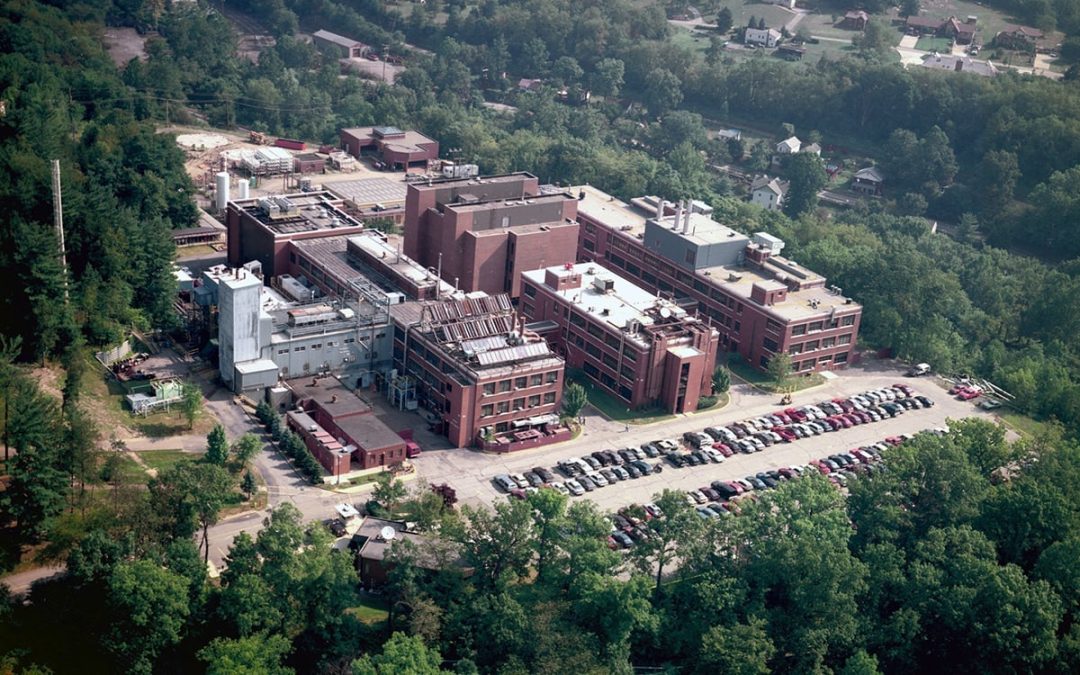
Waséyabek Federal Services (WFS), an SBA 8(a) certified subsidiary of Waséyabek, announced today it has been awarded a Site Operations Support (SOS) services contract from the National Energy and Technology Laboratory (NETL). The five-year agreement has a total contract value of $205 million. Waséyabek is a Tribally-owned Michigan company.

The SOS contract consists of a two-year initial agreement with three one-year options. WFS and its subcontractors, Amentum, and E2 Consulting Engineers, Inc., will perform day-to-day facility management and R&D operations at the Morgantown, WV, Pittsburgh, PA, and Albany, OR NETL sites. The services will include R&D support, engineering and facility support, environmental safety, health and quality support, as well as environmental remediation and disposal services.

“We’re thrilled to be awarded this new contract and to continue our long-standing relationship with NETL. Our team is committed to providing the highest level of service to all of our clients. We’re honored that NETL wants to continue working with us.”

Bethany Harris

President, Waséyabek Federal Group

Waséyabek is the 100% Tribally-owned holding company that manages the Nottawaseppi Huron Band of the Potawatomi’s (NHBP) non-gaming economic development activities. It has investments in 32 entities nationwide on behalf of the Tribe, encompassing more than 650 employees. Its portfolio companies provide products and services in multiple industries including software solutions for the defense sector, propulsion design and manufacturing, healthcare technologies, transportation, environmental solutions, accounting services, facilities management, and more.

“Our strategic plan includes growing our market share in the federal contracting space and this is a prime example of how we’re doing that on behalf the NHBP Tribe. Bethany and her team have worked diligently to identify new business opportunities and deliver quality services to those clients. Securing this five-year contract is a major win for the Federal Group and for the future economic sustainability of the Tribe.

Deidra Mitchell

President & CEO, Waséyabek

WFS will assume operations on Sept. 1, 2025.

Waséyabek Development Company and Two Subsidiaries Invest in Future Growth by Purchasing a West Michigan Warehousing Company and More Than 100 Acres of Undeveloped Land

Waséyabek Development Company and Two Subsidiaries Invest in Future Growth by Purchasing a West Michigan Warehousing Company and More Than 100 Acres of Undeveloped Land

Waséyabek Development Company, LLC, a leading economic development firm in Michigan’s Indian Country, announced today it has collaborated with two of its portfolio companies, Zip Xpress and Green Transportation, to acquire Great Lakes Warehousing in Holland, Michigan and 156 acres of surrounding property, much of it undeveloped land that could be used for future business expansion.

Waséyabek is the non-gaming economic development company of the Nottawaseppi Huron Band of the Potawatomi (NHBP) Tribe based in southwest Michigan. Zip Xpress and Green Transportation are owned by Waséyabek.

This transaction involves two separate acquisitions. Zip Xpress and Green Transportation have purchased Great Lakes Warehousing from Roger, Mike, and Tom Van Wyk. The deal transfers ownership and daily operation of the company’s 315,000 square foot warehousing space located at 899 Interchange Drive just southeast of Holland.

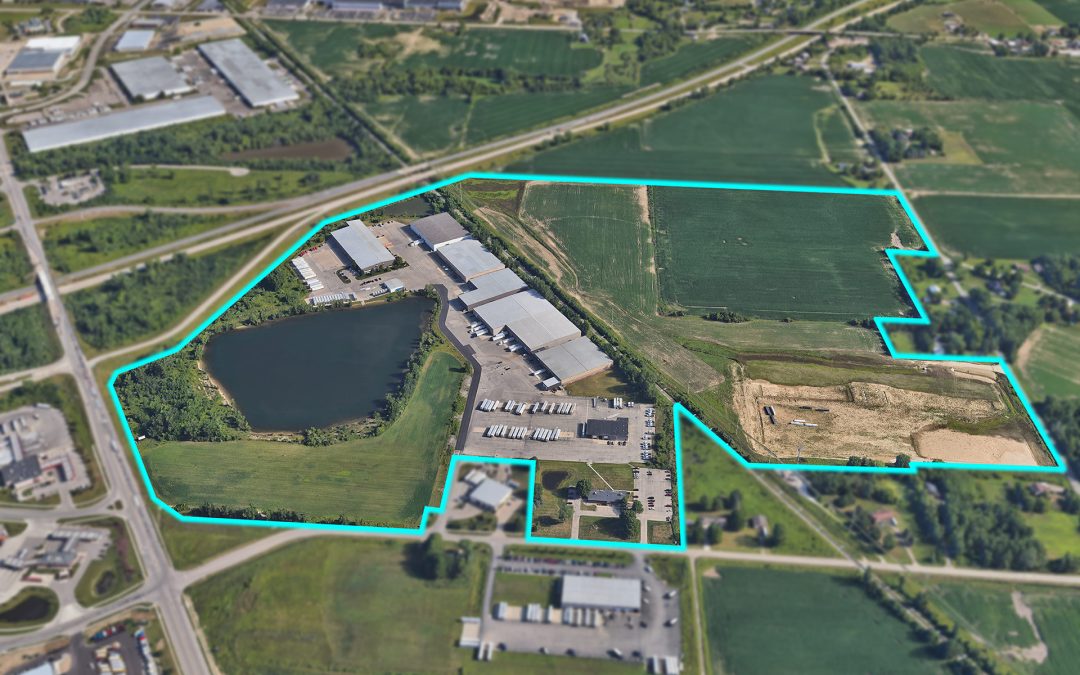
Waséyabek has purchased the land where Great Lakes Warehousing is located from All Properties Unlimited. The largely undeveloped land is in Allegan County near the junction of I-196 and M-40. Terms of the two sales are not being disclosed.

Aerial view of the acquired property, which is located near the junction of I-196 and M-40 in Allegan County, Michigan.

“The economic positives of these two acquisitions are far-reaching and set the foundation for tremendous growth for the companies and the NHBP Tribe. Zip and Green will now control its own warehousing space, bringing greater service and value to its customers. The acquisition of the surrounding property allows for future expansion as we look to advance a broader portfolio strategy around transportation and logistics, warehousing, and manufacturing. We could not be more pleased with the strategic value that these two acquisitions present.”

Deidra Mitchell

President & CEO, Waséyabek

Roger, Mike, and Tom Van Wyk founded Great Lakes Warehousing in 1976 and have grown it steadily over the past 50 years. Mike Van Wyk will stay on as a consultant after the transaction.

“This is a tremendous opportunity for our families but it’s also a little bittersweet for us,” said Mike Van Wyk. “We have enjoyed serving our customers for nearly five decades and we’re proud of the consistent role we have filled in the community. However, we’re ready to move on but we wanted to find a buyer who would purchase the land and set a course for future operation of the warehousing business. We’re thrilled that Waséyabek expressed interest and we look forward to watching them be a positive economic partner in the community.”

With this acquisition, Waséyabek’s portfolio of non-gaming investments now stands at 32 entities, encompassing more than 650 employees. It also further diversifies the types of industries represented by companies the NHBP Tribe owns.

“The addition of Great Lakes Warehousing is complementary to the highly successful operations of Zip Xpress and Green Transportation, and will provide even greater growth opportunities for those companies. Furthermore, the land acquisition provides business expansion and new economic growth opportunities that we will explore through our five-year strategic planning process.”

Chris Rogers

Chair, Waséyabek Board of Directors

DWH, a Waséyabek-owned advisory firm, was instrumental in conducting the due diligence associated with these latest transactions. Managing Partner Ben Borisch and the DWH team have partnered with Zip and Green management since 2021, helping the two companies to consistently outperform the market. Going forward, DWH will continue to provide management oversight to Zip, Green, and now Great Lakes Warehousing.

“This is yet another example of the economic vision developed by the NHBP Tribal Council, the Waséyabek Board of Directors and the company’s leadership. Our mission has been to enhance our Tribe’s sovereignty and sustainability through economic investment. To do that while also acquiring a large parcel of property in the region of our ancestral lands is very fulfilling. I’m grateful for the strategic investment demonstrated by our Waséyabek team on behalf of the Tribe.”

Dorie Rios

Tribal Council Chair, Nottawaseppi Huron Band of the Potawatomi